











ENEROC 4G Remote Module: Enabling Cloud Intelligent Connectivity for Batteries
Summary
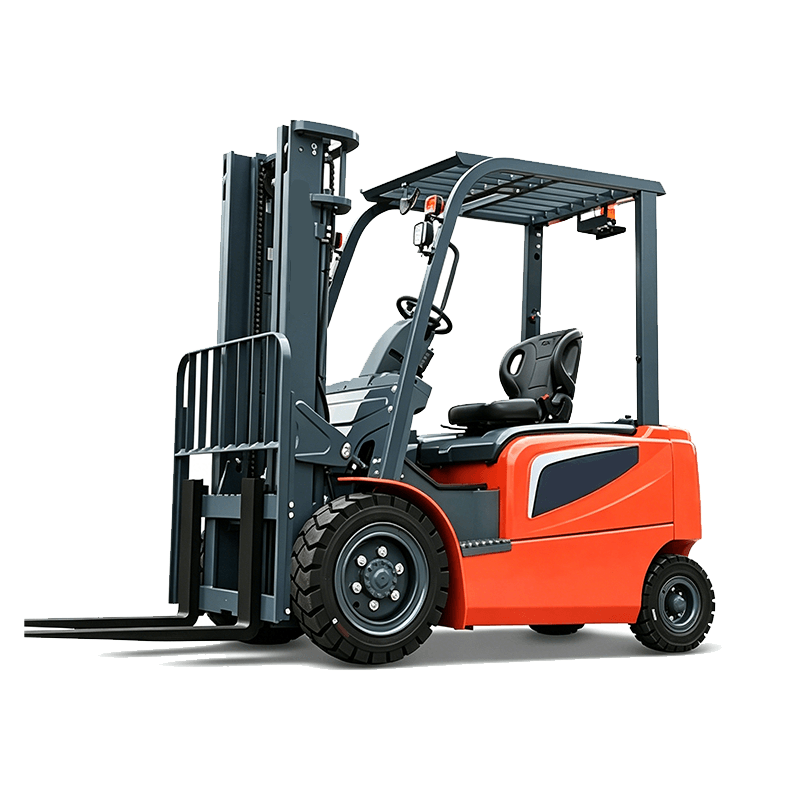
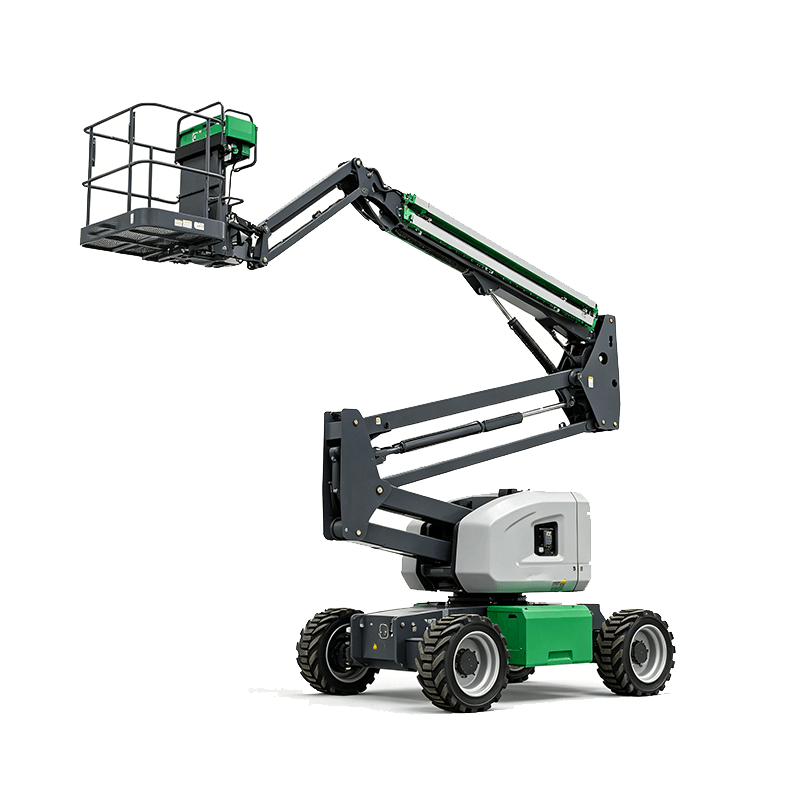
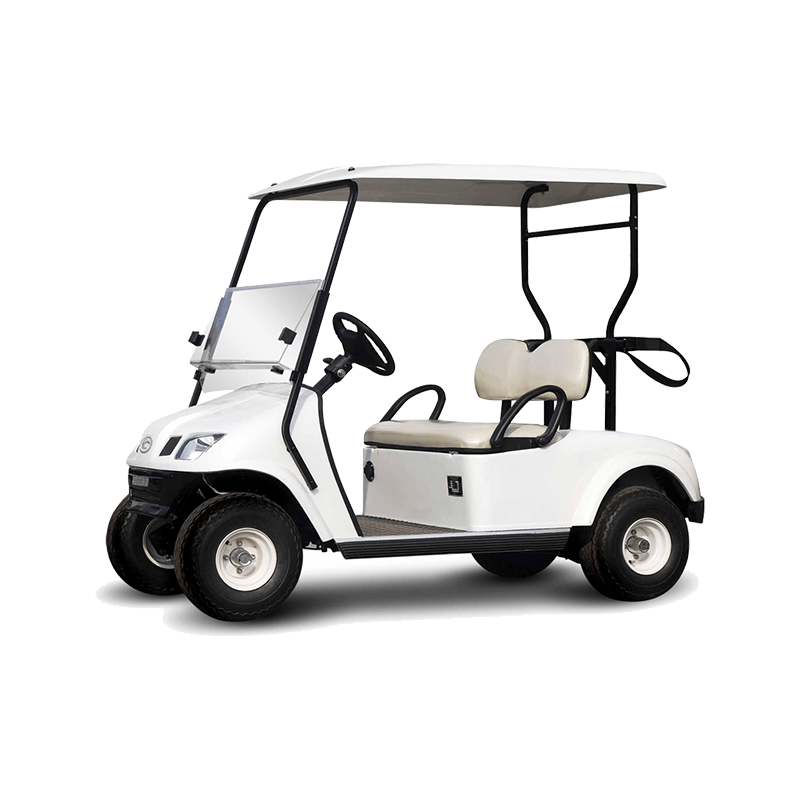
The ENEROC 4G Remote Module is an intelligent communication unit designed for off-road power battery applications and can be integrated into a variety of products including forklift batteries, golf cart batteries, aerial work platform batteries, low-speed vehicle batteries, truck parking batteries, and construction machinery batteries. The module establishes bidirectional communication with the Battery Management System (BMS) via the CAN bus, enabling real-time acquisition of critical parameters such as voltage, current, temperature, State of Charge (SOC), and State of Health (SOH). This data is transmitted to the ENEROC Cloud Platform through the 4G network. Users can remotely monitor battery status, historical trends, and GPS location via QR code scanning on mobile devices, PC browsers, or WeChat mini-programs, with additional support for OTA Remote Upgrade and intelligent fault diagnostics. This paper presents the design rationale and practical value of the system from three perspectives: technical architecture, core advantages, and typical application scenarios.
1. Technical Overview: A Complete Link from BMS to the Cloud
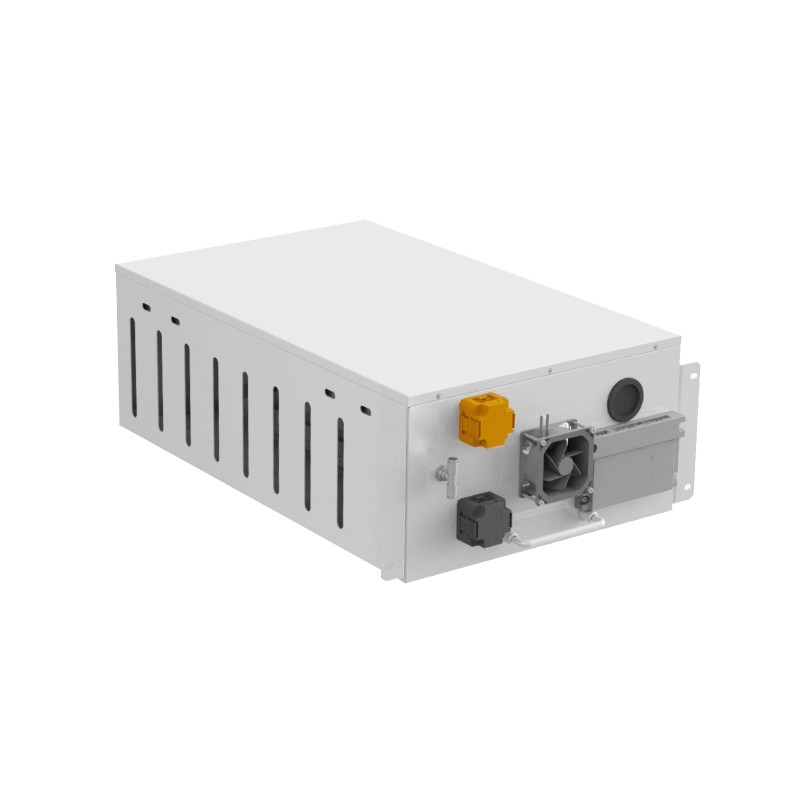
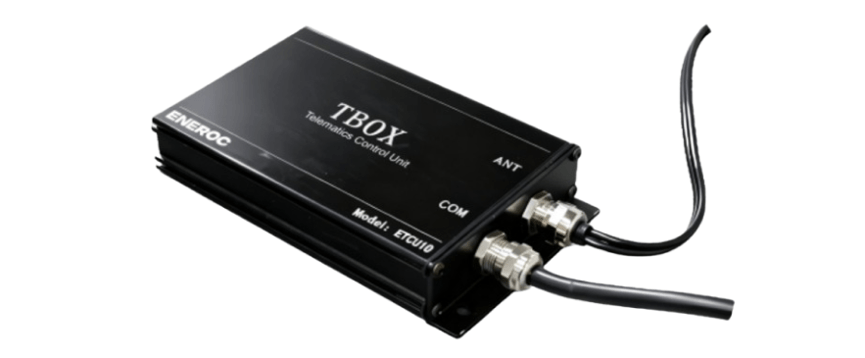
The 4G remote module (also referred to as the T-BOX) maintains bidirectional communication with the Battery Management System (BMS) via the CAN bus. The BMS collects critical battery parameters including voltage, current, temperature, SOC (State of Charge), and SOH (State of Health), while the T-BOX functions as a communication gateway that retrieves this data and uploads it to the ENEROC Cloud Platform through the 4G network. The T-BOX supports a DC voltage input range of 12V to 24V, making it compatible with power supply conditions in a variety of vehicle and industrial applications. The integrated high-efficiency DC/DC converter ensures stable voltage conversion to meet the requirements of each subsystem, including the 4G module and BMS communication circuits. The data upload frequency can be configured based on actual requirements. In the event of network signal interruption, the T-BOX automatically buffers data and retransmits it upon signal restoration, effectively preventing data loss.
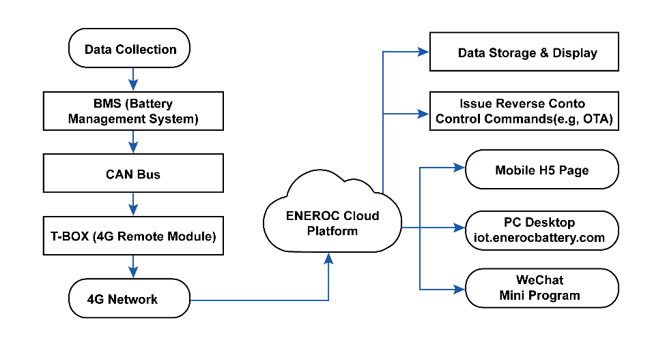
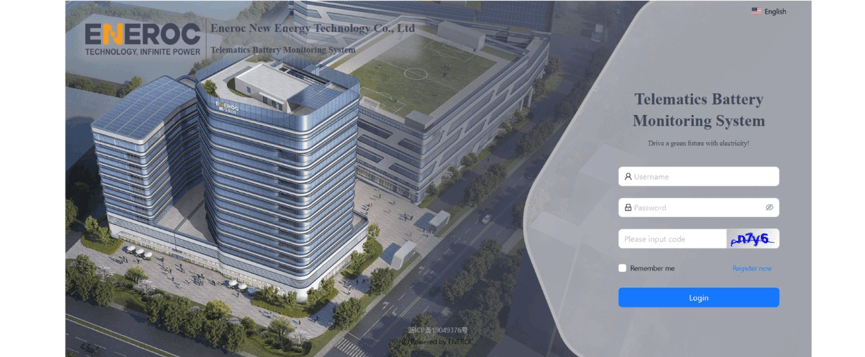
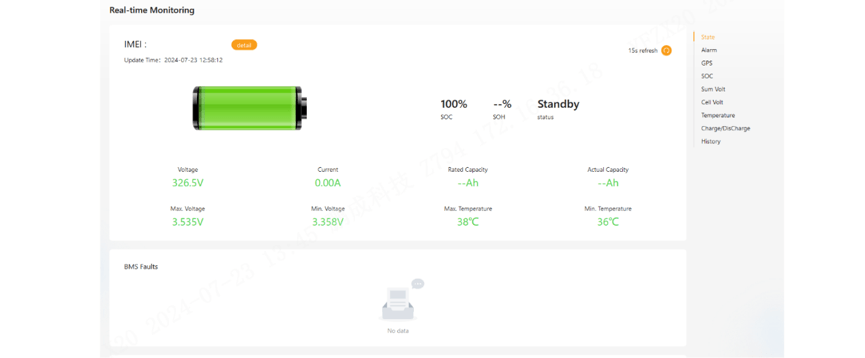
After receiving all data reported by T-BOX devices, the cloud platform performs storage, lightweight data processing, and data visualization.Once real-time data triggers preset thresholds (such as overvoltage, undervoltage, overtemperature, communication timeout, etc.), the system immediately generates fault records and notifies through the cloud platform.Additionally, the platform supports remote control commands, including OTA remote upgrades and remote power on/off.After users initiate commands from a PC or mobile device, the platform issues commands to the specified T-BOX, which then forwards them via the CAN bus to the BMS or directly controls peripheral actuators, enabling remote firmware updates and battery circuit connection or disconnection.There are three user access methods: scanning the battery QR code with a mobile phone camera to directly enter the H5 details page (displaying real-time SOC, voltage, current, and daily trend charts).Access the PC cloud platform (https://iot.enerocbattery.com/) for complete device management, historical curve analysis, GPS route playback, and user permission settings; or use the WeChat Mini Program for light daily inspections.
2. Core Advantages
Convenient On-site Information Access. Each battery enclosure fitted with a 4G Module features a unique QR code containing the module’s IMEI or device identification number. Field personnel do not need to install any app—simply scan the QR code with a mobile phone camera, and the browser automatically opens the battery details page, clearly displaying SOC, device ID, total voltage, and current. This design greatly lowers the barriers for debugging and preliminary fault diagnosis: installers can immediately verify normal battery operation upon power-up; after-sales staff can remotely guide customers to scan a QR Code and retrieve data over the phone; and end users can quickly determine if the battery has sufficient charge before starting charging.
Data Visualization and Trend Analysis. By scanning the QR Code or logging into the Cloud Platform, users can access SOC charts and total voltage trend graphs. The SOC chart illustrates SOC changes on a daily or hourly basis, providing a clear indication of any abnormal battery degradation or user behaviors such as frequent deep discharging or inadequate charging. The total voltage line chart illustrates voltage fluctuations over time, facilitating the evaluation of battery stability across various operating intervals. Users can freely select the time range of these charts. When service personnel receive a fault report, they can rapidly identify the exact time point of abnormal changes, thus narrowing the scope for root cause analysis and enhancing diagnostic efficiency.
OTA Remote Upgrade. Conventional firmware updates require engineers to visit the site with a laptop, CAN adapter, and conversion cables, and sometimes even necessitate opening the battery enclosure to access the communication interface. The ENEROC 4G Module fully supports OTA (Over-The-Air) remote upgrades, with upgrade packages categorized into gateway types (T-BOX firmware) and battery types (BMS software). Technicians upload new firmware versions through the cloud platform’s 'Upgrade Package Management' module, log the version number, then select target devices by T-BOX module number or battery pack ID, and finally choose the upgrade mode: immediate upgrade is applicable during non-critical periods (e.g., nighttime), with the module executing the command immediately upon receipt; For safety, upgrades must be performed only when the vehicle is stationary with the ignition off, preventing risks associated with in-operation upgrades. The entire process requires no on-site personnel, enabling fleets distributed across multiple cities or even countries to save substantial travel expenses and time annually.
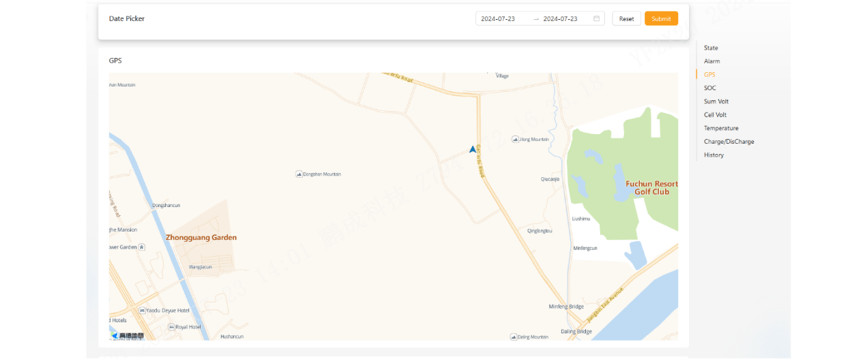
GPS positioning and rapid fault localization. The T-BOX is equipped with a built-in GPS module that periodically acquires real-time location data, which is uploaded alongside battery data to the Cloud Platform. Administrators can not only view the real-time location of each device (or vehicle) on the platform map but also query historical operational trajectories over selected time intervals to analyze travel routes, speed changes, and stoppage points. Upon battery fault detection, the system can automatically identify and lock the precise location of the abnormal battery, allowing after-sales service teams to dispatch nearby personnel without repeated customer address inquiries. Coupled with the Cloud Platform’s intelligent diagnostic capabilities—which automatically analyze abnormal data and provide probable causes and recommended solutions—this significantly reduces the time from fault reporting to resolution.
Offline Data Backup and Network Interruption Data Resumption. In industrial environments, 4G signals are not always stable. When vehicles enter underground parking garages, remote mountainous regions, or tunnels, the network connection may be temporarily interrupted. The ENEROC 4G Module incorporates a built-in local caching mechanism that, upon detecting network disconnection, automatically writes the acquired data to Flash memory and subsequently uploads the data in batches to the Cloud Platform once the signal is restored. This design ensures data integrity and provides a vital safeguard for research and development personnel who require long-term tracking of battery performance degradation and analysis of operating conditions.
Multi-level permission management and data isolation. The Cloud Platform supports administrators in creating multiple users and assigning distinct roles. The primary master platform (e.g., system administrators) can configure secondary roles to allocate corresponding permissions to various users. Additionally, the platform includes support for ID registration management associated with secondary distributors. Administrators can also view the IP addresses and login times of currently connected users and enforce forced logoff if necessary. For battery rental, shared battery, or fleet management operations, this flexible permission framework represents a fundamental basis for compliant operation.
3. Application Scenarios
Fleet and Logistics Management. In applications such as electric forklift trucks, golf cart fleets, or logistics parks, managers need to simultaneously monitor the status of dozens or even hundreds of battery groups. The ENEROC 4G Cloud Platform enables real-time visualization of all vehicle locations and the SOC and SOH of each battery on a unified map, facilitating the formulation of rotational charging and maintenance schedules based on operating hours, number of charging cycles, and other operational data. In the event of critically low battery levels or faults, the system triggers automatic alarms and displays the vehicle location, allowing dispatchers to promptly notify drivers to replace the battery or coordinate rescue operations, thus preventing operational interruptions caused by battery failures.
After-sales Service and Remote Maintenance. The conventional approach to battery post-sales maintenance involves customer fault reports followed by on-site diagnosis by engineers, who typically must carry multiple diagnostic tools. Often, the initial visit only accomplishes fault localization, with the appropriate spare parts being brought during a subsequent visit. Leveraging the real-time data and historical trend curves provided by the 4G Module, after-sales personnel can proactively analyze fault causes from the office, identifying whether issues arise from BMS communication anomalies, cell imbalance, or relay adhesion. When upgrading BMS software to resolve known issues, the process can be completed directly via OTA Remote Upgrade without requiring on-site deployment. On-site service is necessary only in the event of hardware failure, allowing problems to be addressed in a single intervention with precise diagnostics and appropriate spare parts.
Battery Rental and Sharing Operations. In application scenarios such as shared batteries and battery rental, operators must ensure the security and proper utilization of battery assets. The GPS functionality of the 4G Module effectively prevents batteries from being irretrievable following loss or theft. Remote power on/off and relay control capabilities enable the operations platform to disconnect battery output remotely in cases of user arrears or misuse, with immediate power restoration upon user subscription renewal. Additionally, the secondary sub-platform architecture ensures that each franchisee or rental location manages only its own batteries, thereby preventing data confusion and protecting customer information confidentiality.
Research and development testing and lifetime prediction. Battery R&D engineers require extended tracking of battery performance degradation under varying operating conditions during durability tests of new formulations or structural designs. SOC, SOH, cumulative charge-discharge ampere-hours, and cycle count at 85% depth of discharge automatically uploaded by the 4G Module are directly stored in the Cloud Platform to establish a database. Developers can export data via API to generate capacity degradation curves and analyze correlations between fault modes and components, facilitating accelerated product iteration and lifespan model refinement.
Special environments and unattended sites. For instance, backup battery packs installed at remote base stations, unattended aerial work platforms, and battery systems for automated guided vehicles in port operations. These devices are often difficult to inspect frequently on-site; however, the 4G Module can periodically report health status and actively issue alerts upon detecting abnormalities. The operation and maintenance center only needs to configure threshold settings on the platform to enable an unattended operation mode with monitoring, thereby significantly reducing labor costs.
4. Summary
The ENEROC 4G Remote Module utilizes the BMS as the data source, establishes bidirectional communication over the CAN bus, and connects to the Cloud Platform via the 4G network, forming a comprehensive data chain from the battery side to the user side. It delivers not only remote data transmission but also mobile access via QR Code scanning, historical trend visualization, OTA upgrades without the need for on-site intervention, GPS positioning with trajectory playback, offline data backup during network disruptions, and intelligent diagnostics. For Non-road Power Battery products, this system effectively reduces operation and maintenance costs, shortens fault response times, and provides a reliable data foundation to support battery lifespan research and operational optimization.

