










Germany Jungheinrich Visits ENEROC: Exchanging Views on New Energy Battery Technology and New Opportunities in the Europe and America Markets
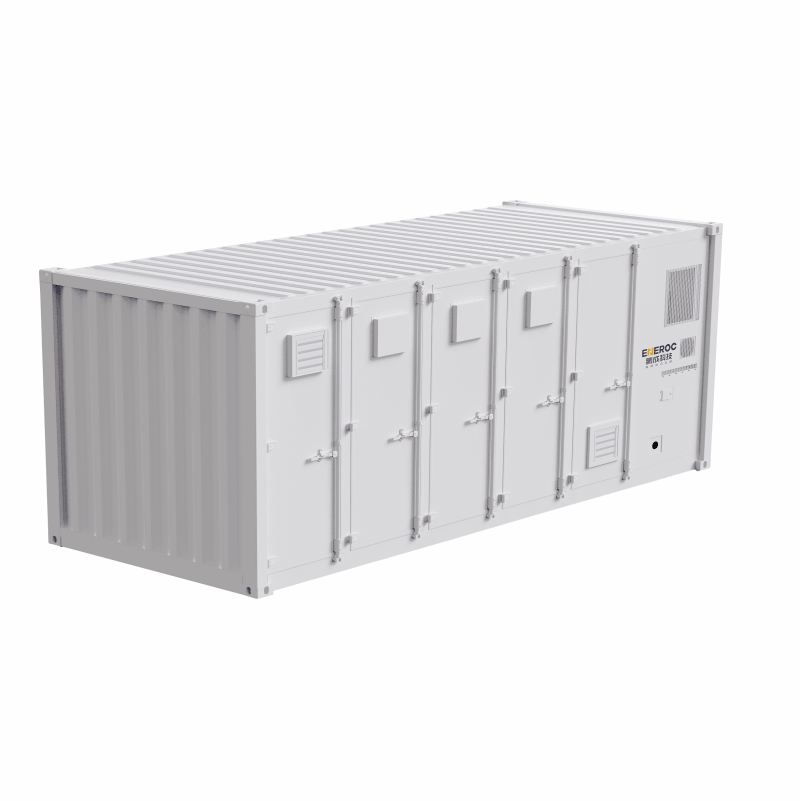
Recently, the Germany Jungheinrich team visited ENEROC, where both parties conducted in-depth exchanges on core topics including new energy battery business, high-voltage platform technology trends, self-developed BMS capabilities, differences in Europe and America supply chains, and energy storage business layouts, reaching multiple consensuses on future cooperation directions.
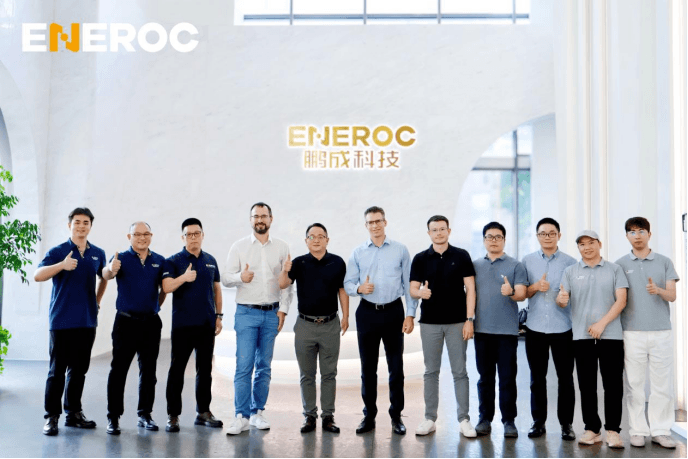
This exchange not only deepened mutual understanding of the development trends in non-road vehicle electrification but also further explored new avenues for cooperation between Chinese new energy battery enterprises and European industrial clients in the global market.
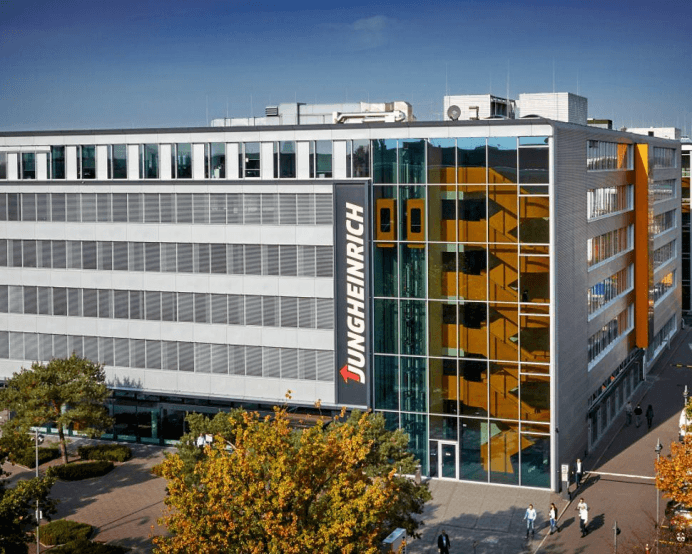
Germany’s Jungheinrich
Germany’s Jungheinrich Group is a globally renowned provider of material handling equipment and intralogistics solutions, having long been deeply engaged in industrial vehicles, warehousing equipment, automation systems, and related services, with extensive experience in the development of electrification and intelligent logistics equipment. Its business covers multiple fields including counterbalance forklifts, warehouse forklifts, automated warehousing, and intelligent logistics systems, offering internal logistics solutions from equipment to systems for customers worldwide.
The team visiting ENEROC mainly consisted of key personnel from technology, research and development, energy systems, and procurement departments, reflecting Jungheinrich's strong focus on new energy battery technology and supply chain capabilities.
ENEROC
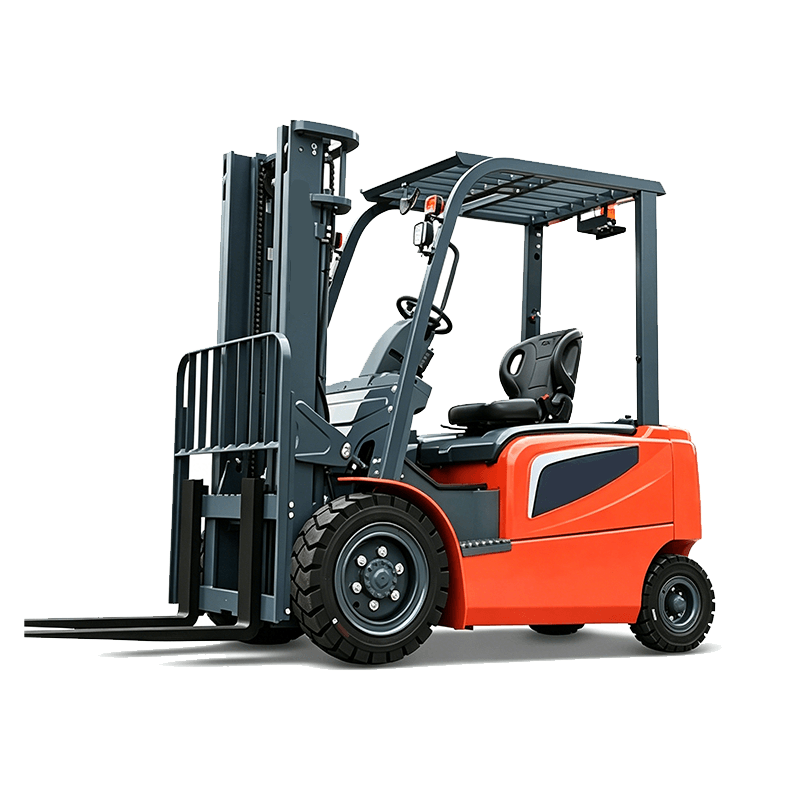
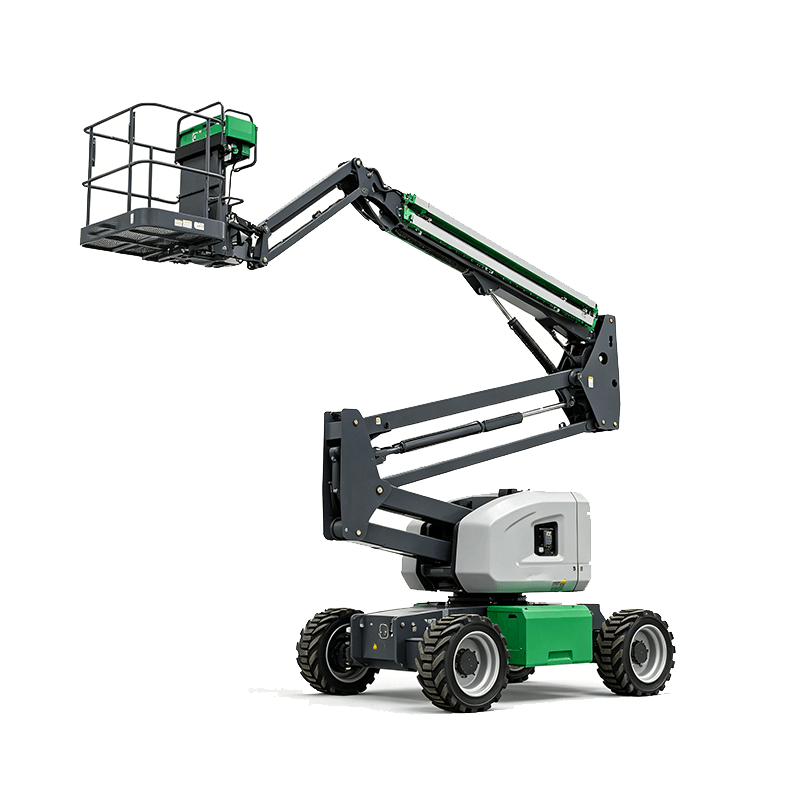
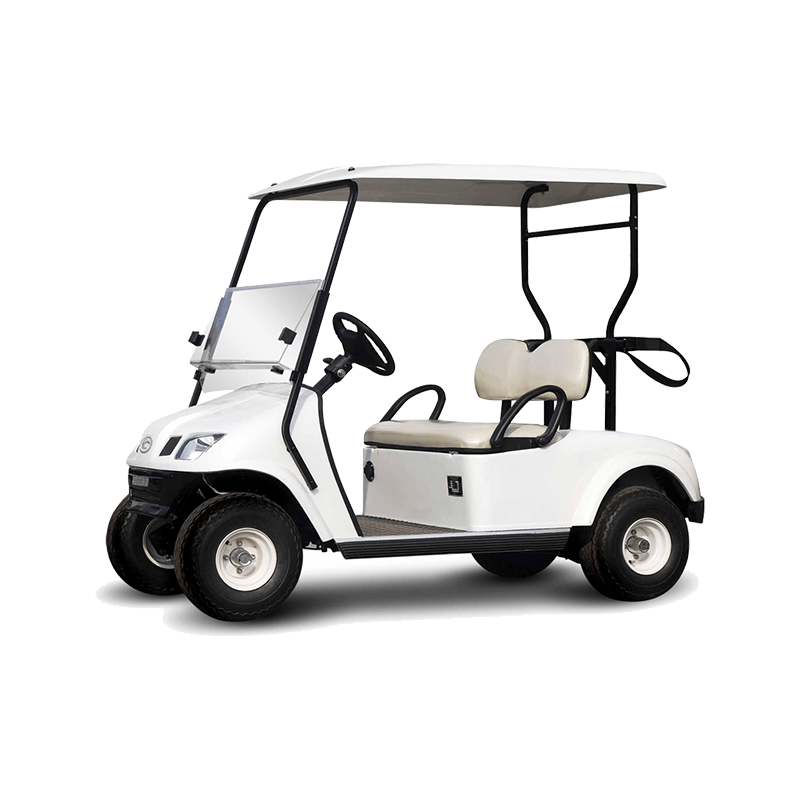
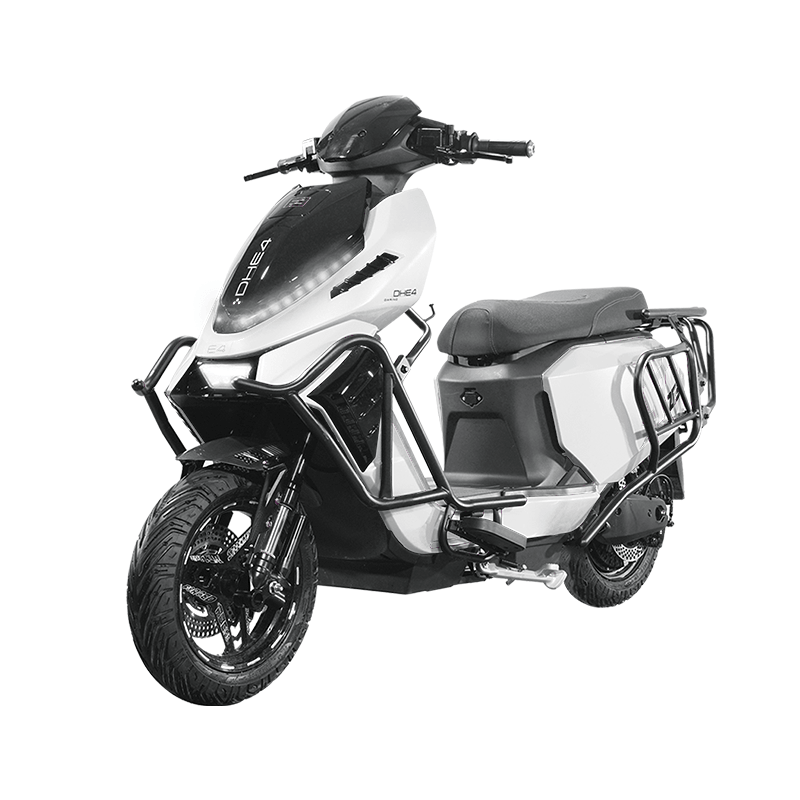
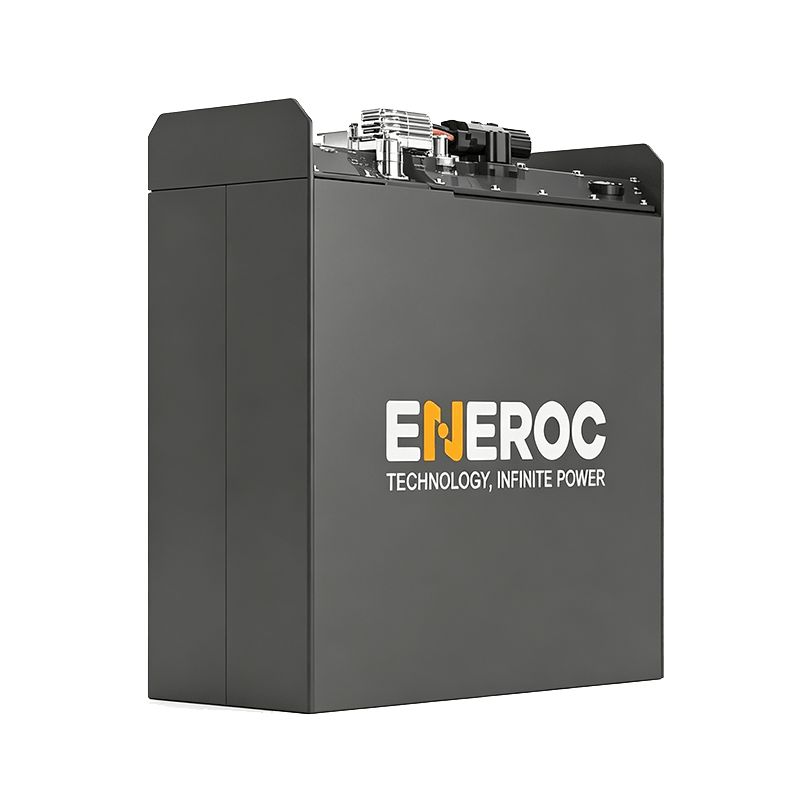
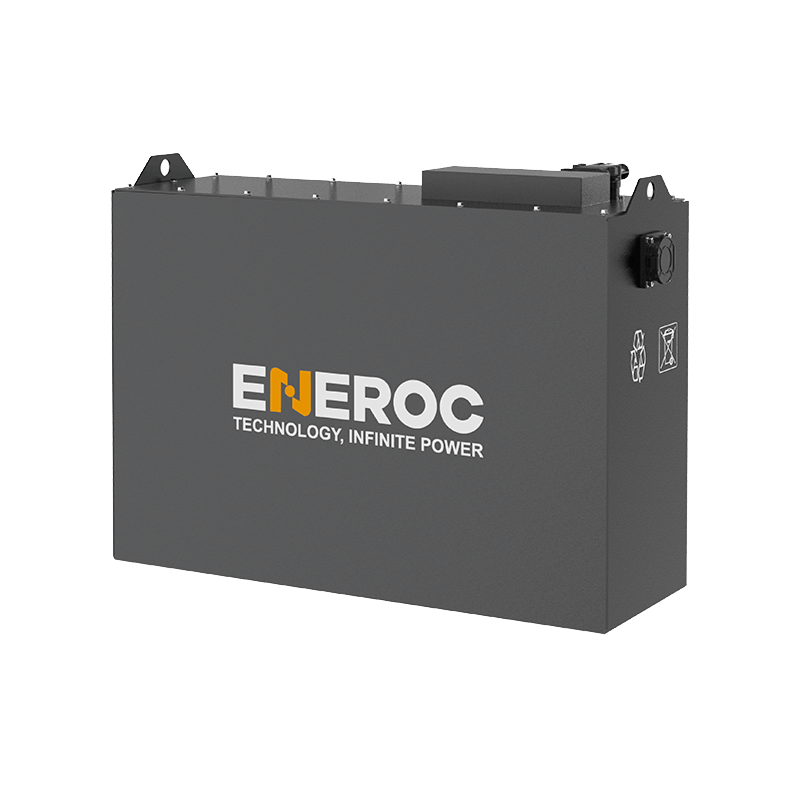
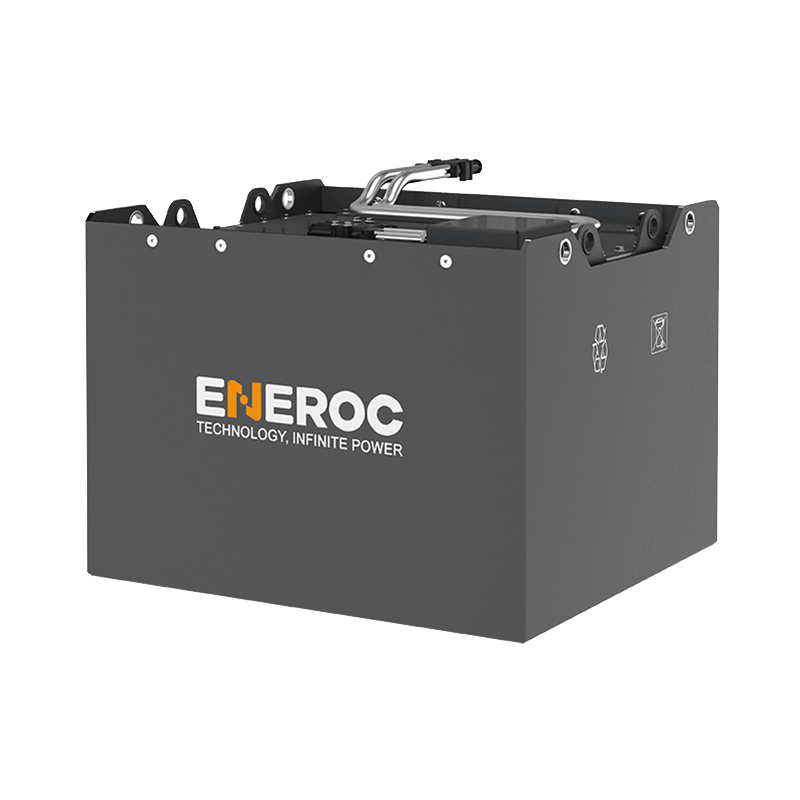
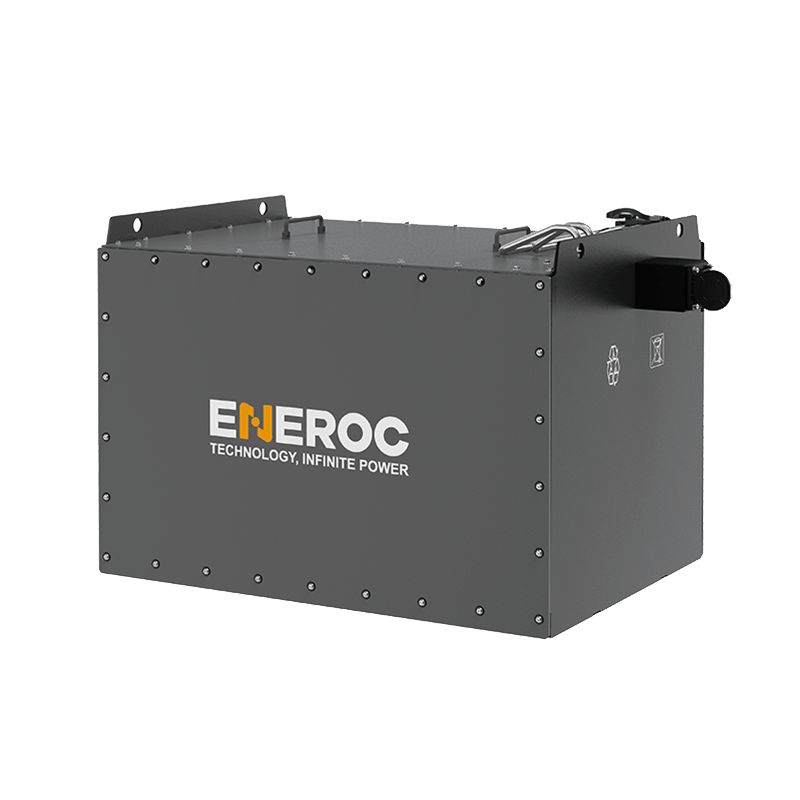
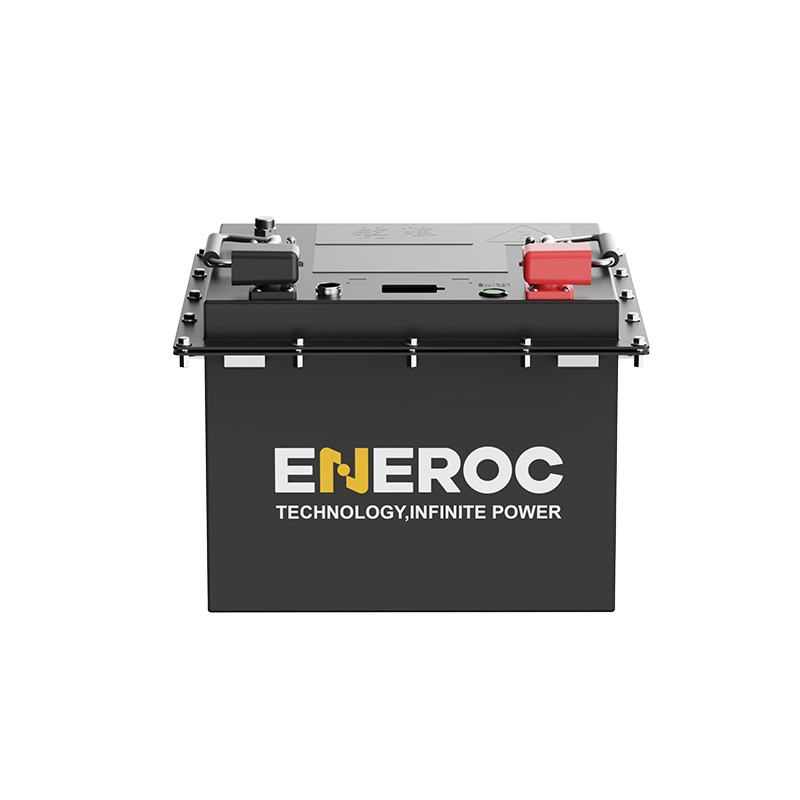
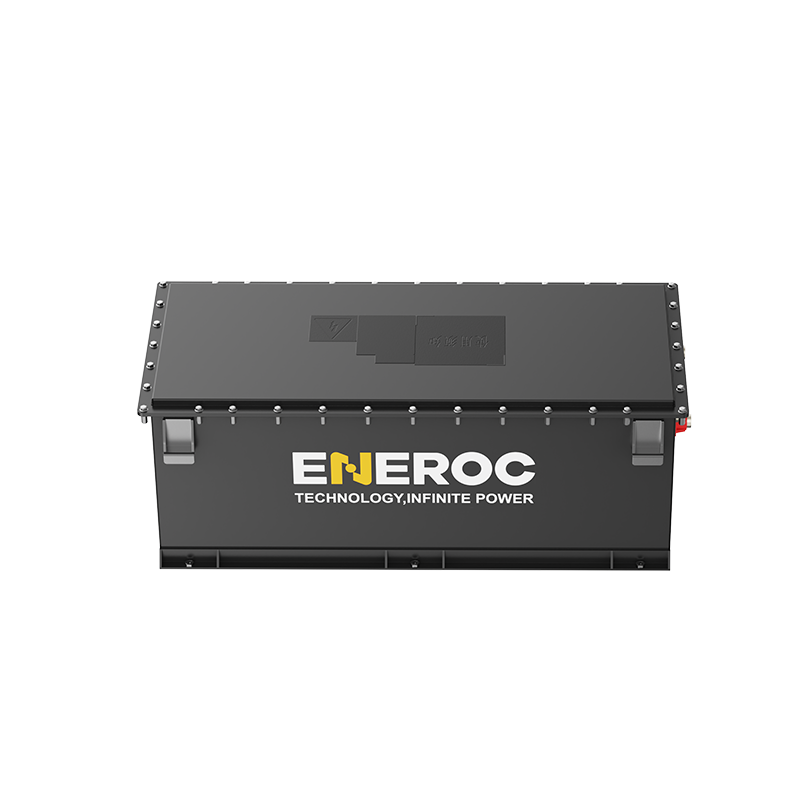
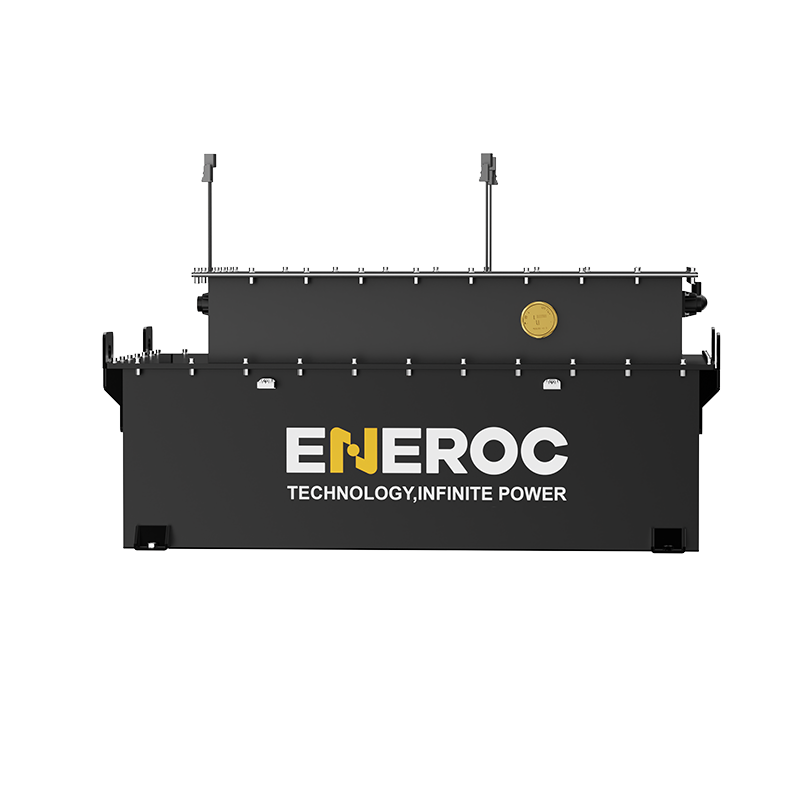
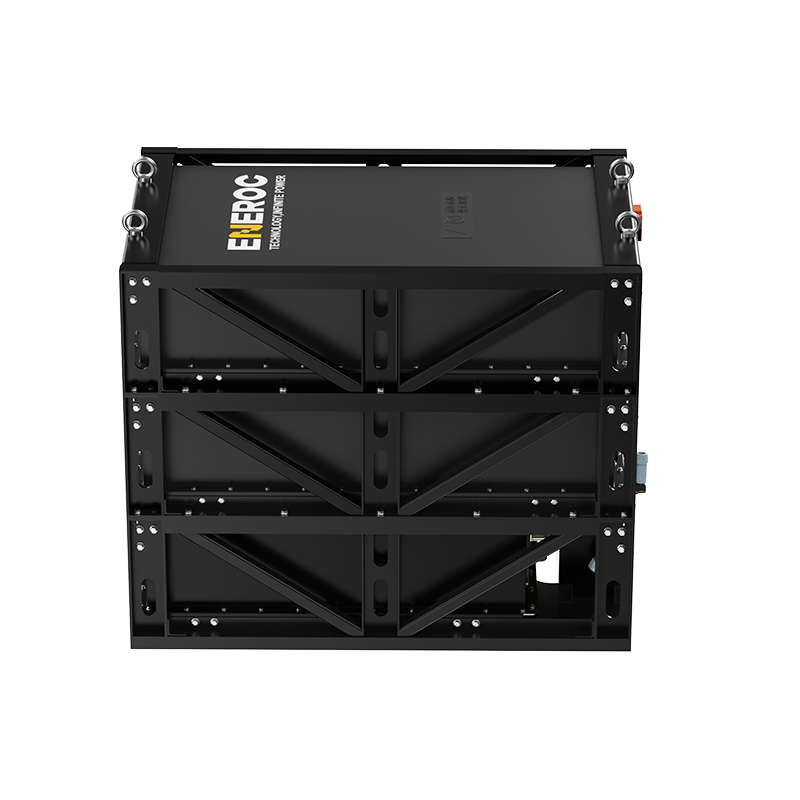
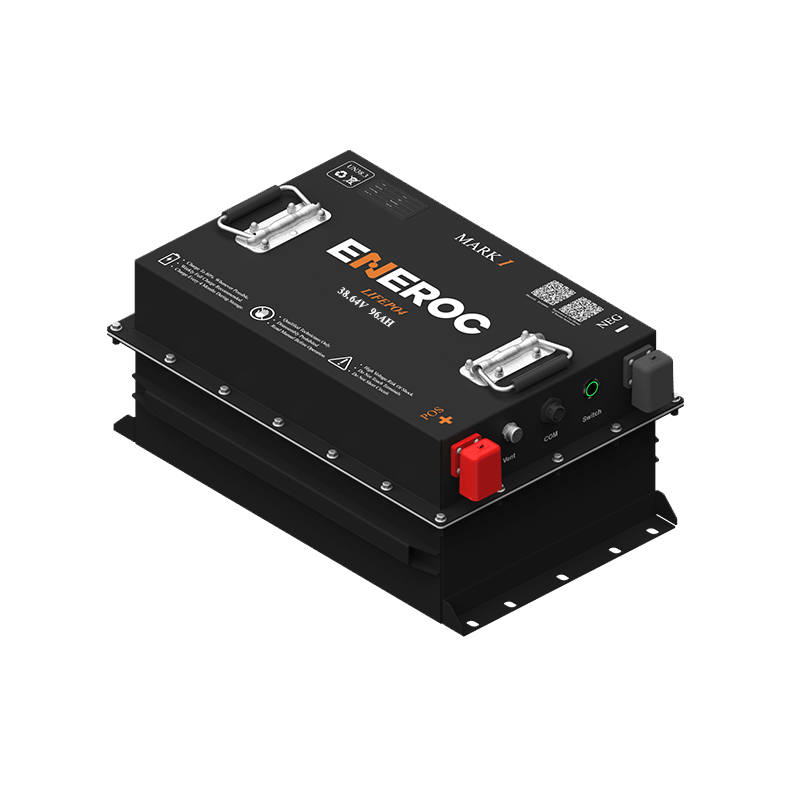
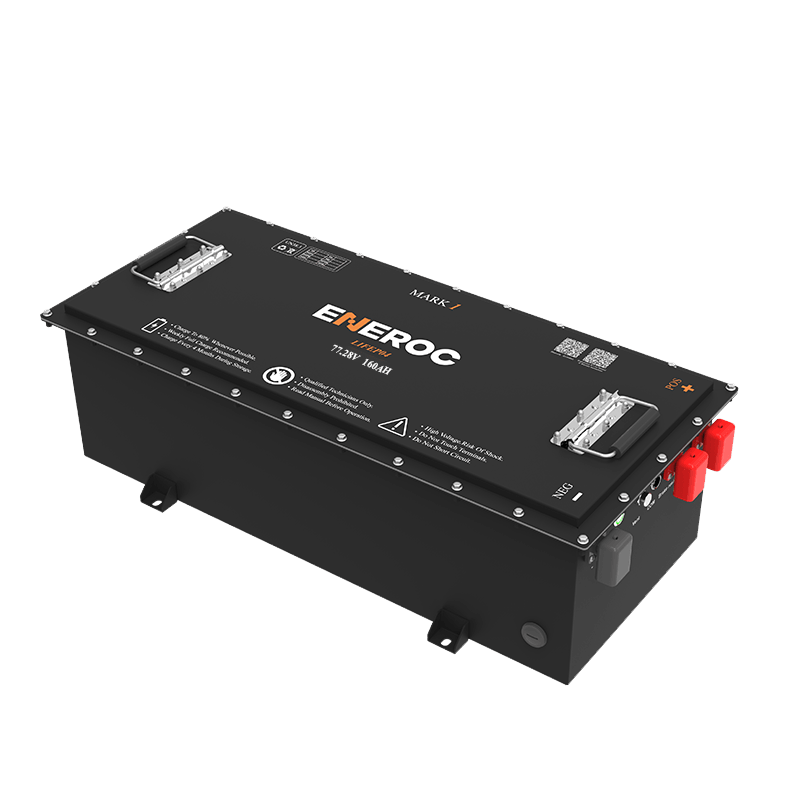
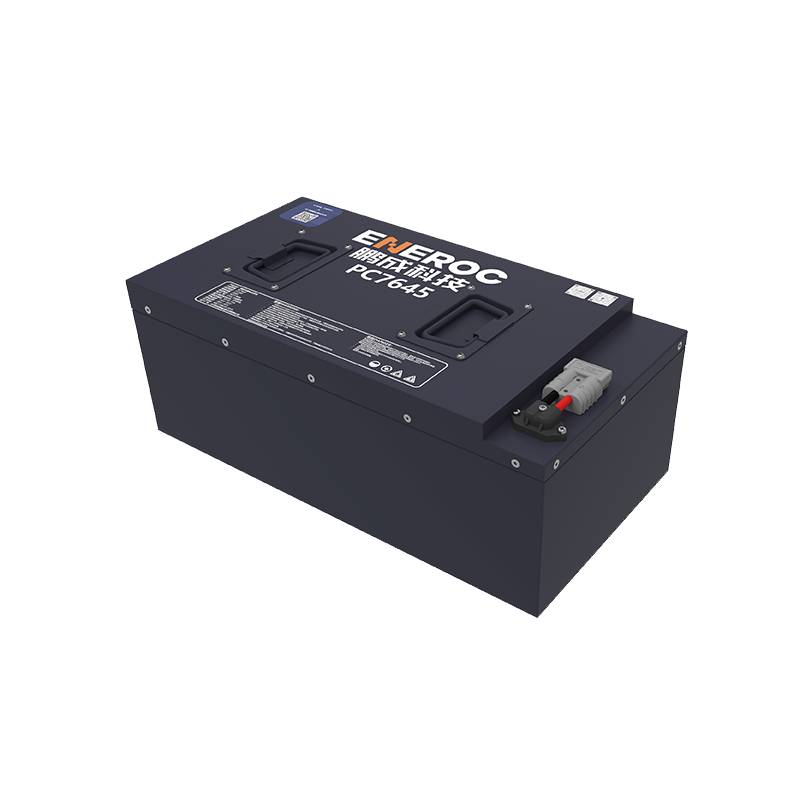
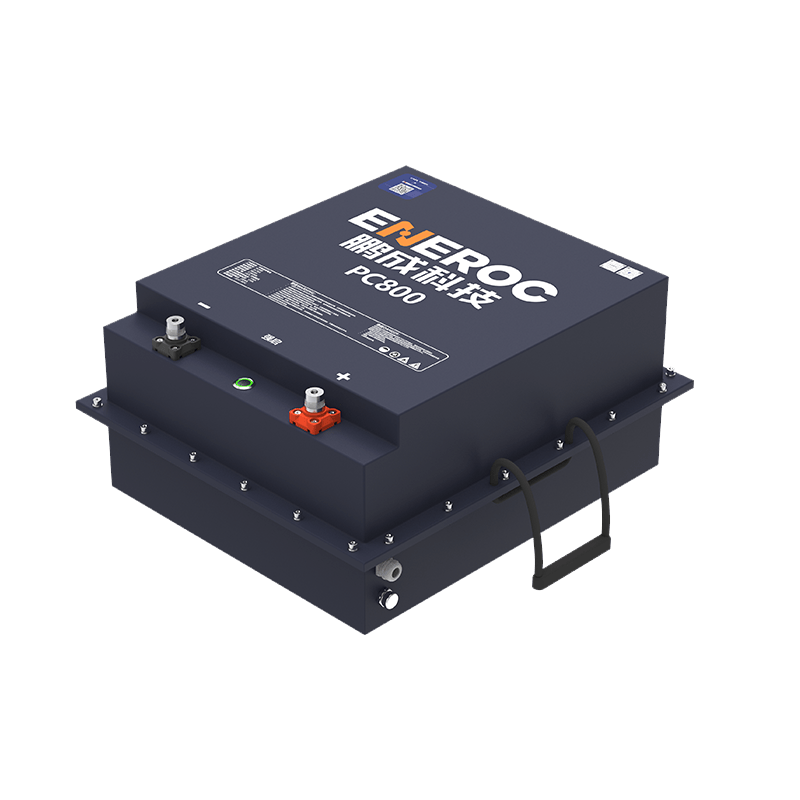
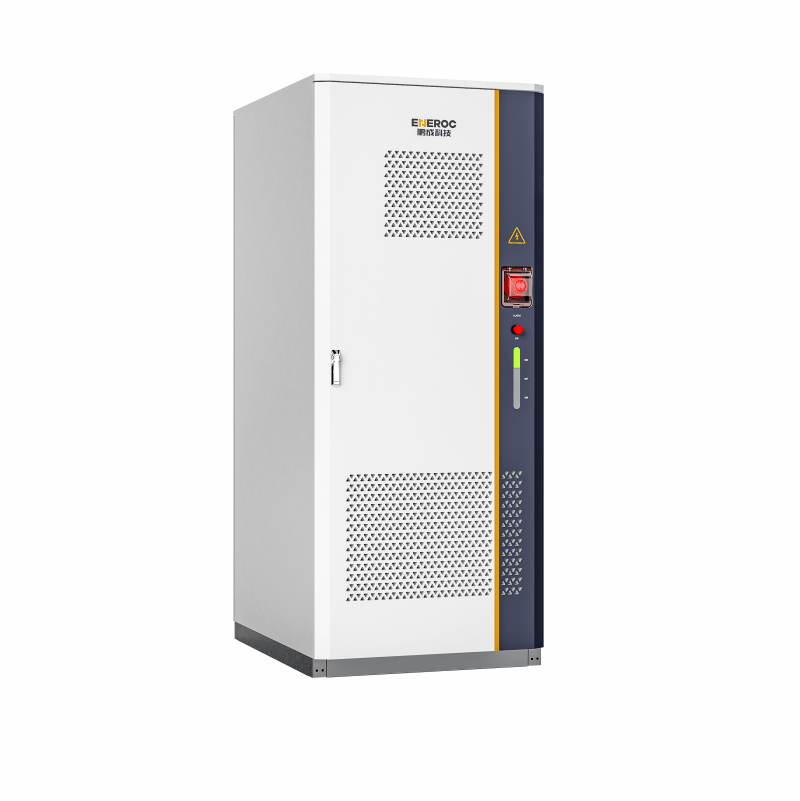
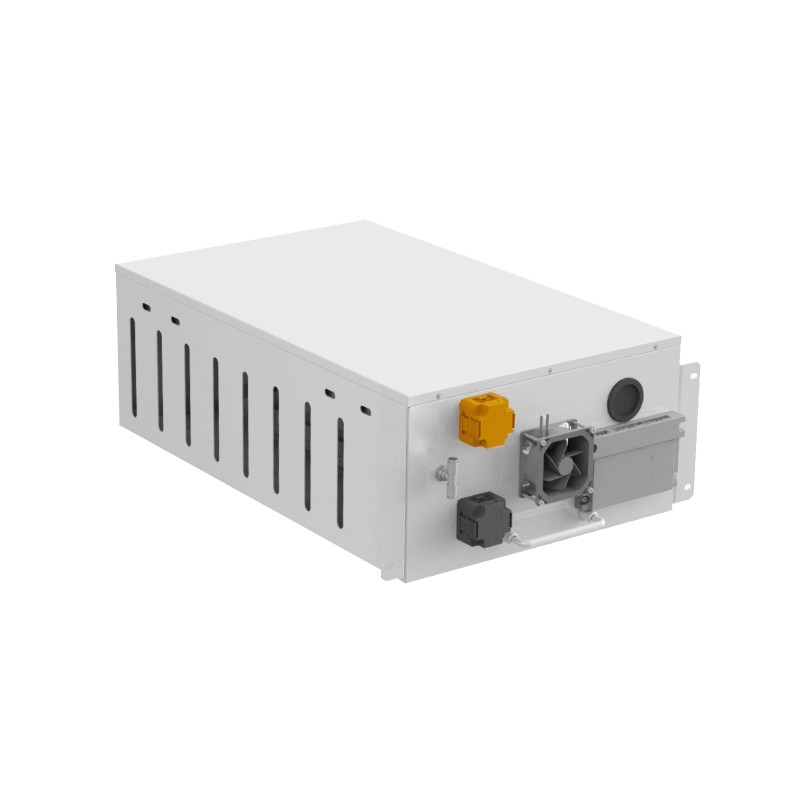
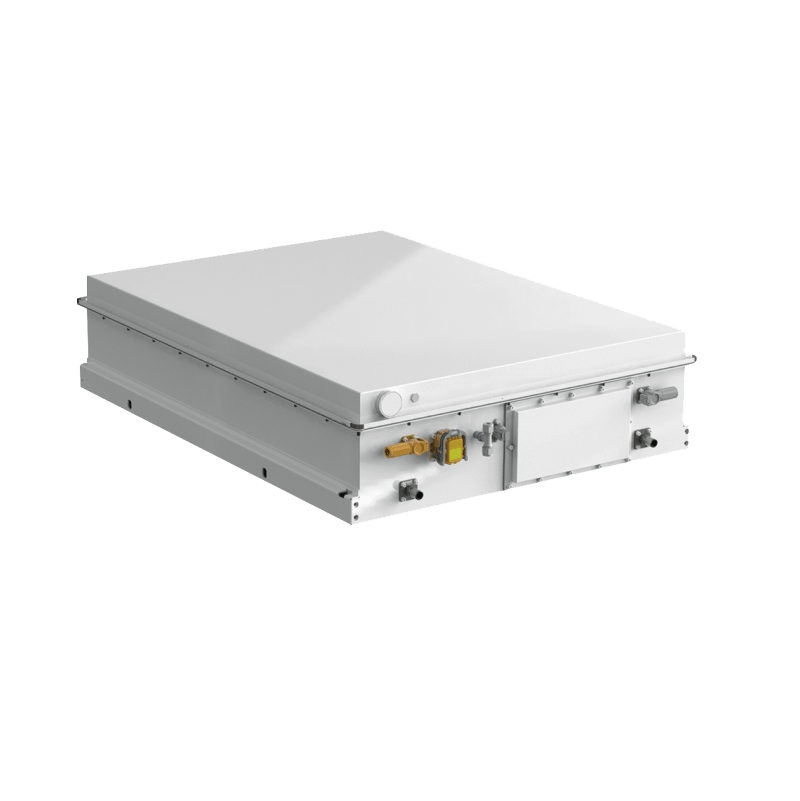
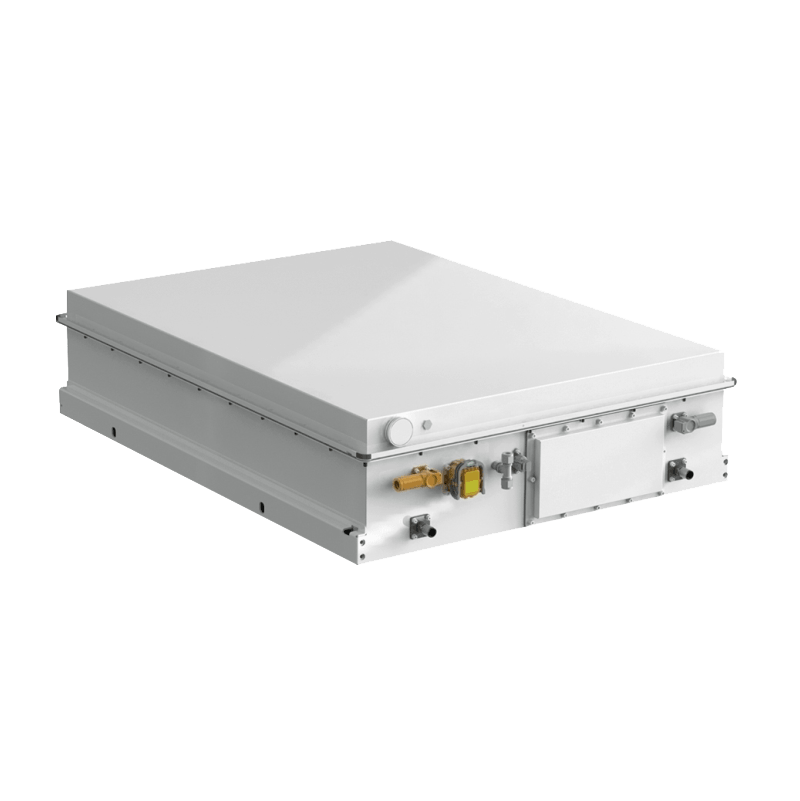
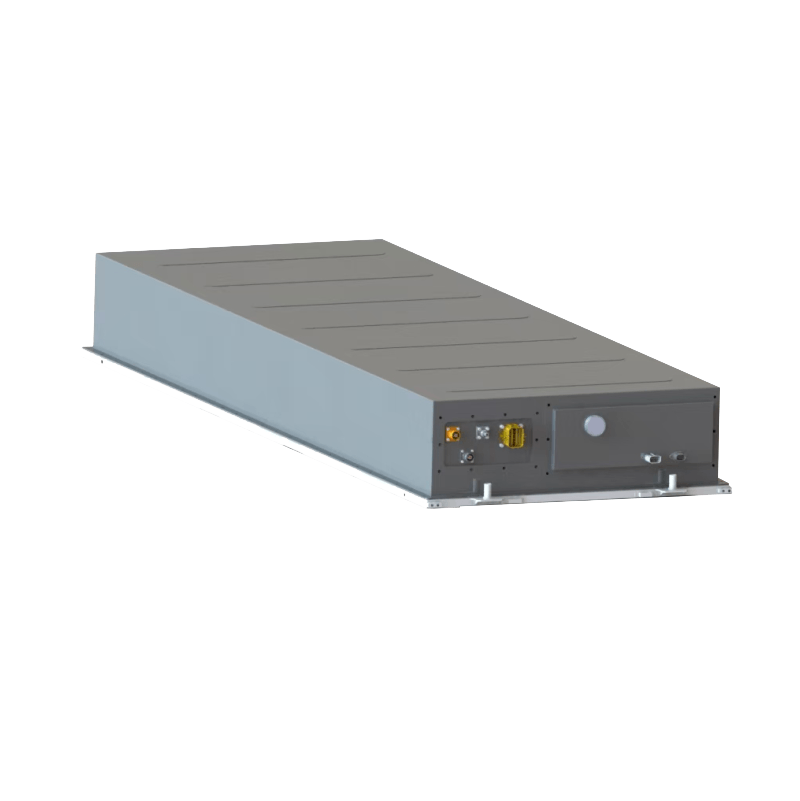
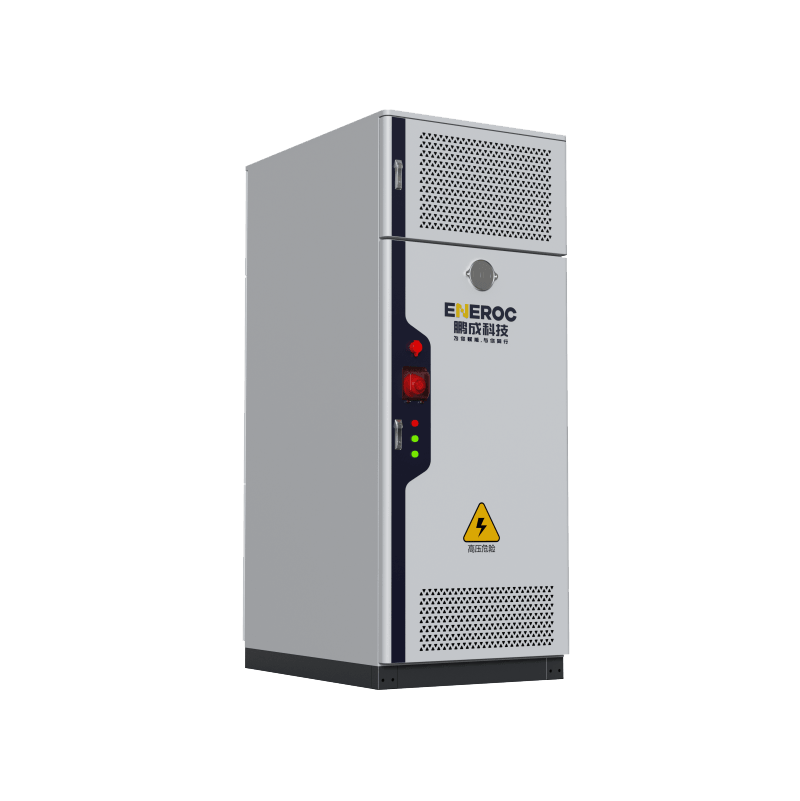
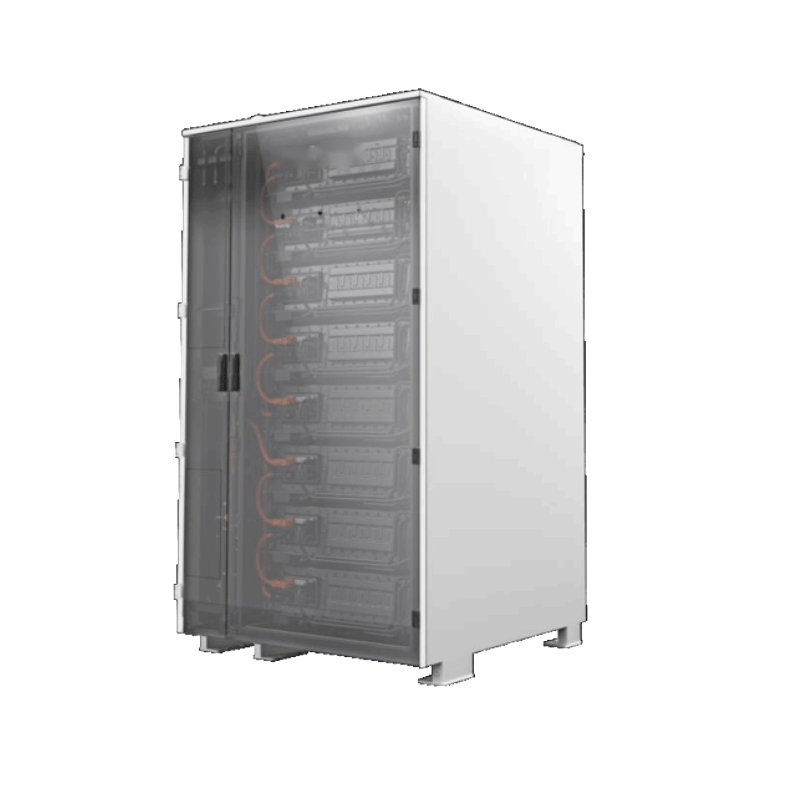
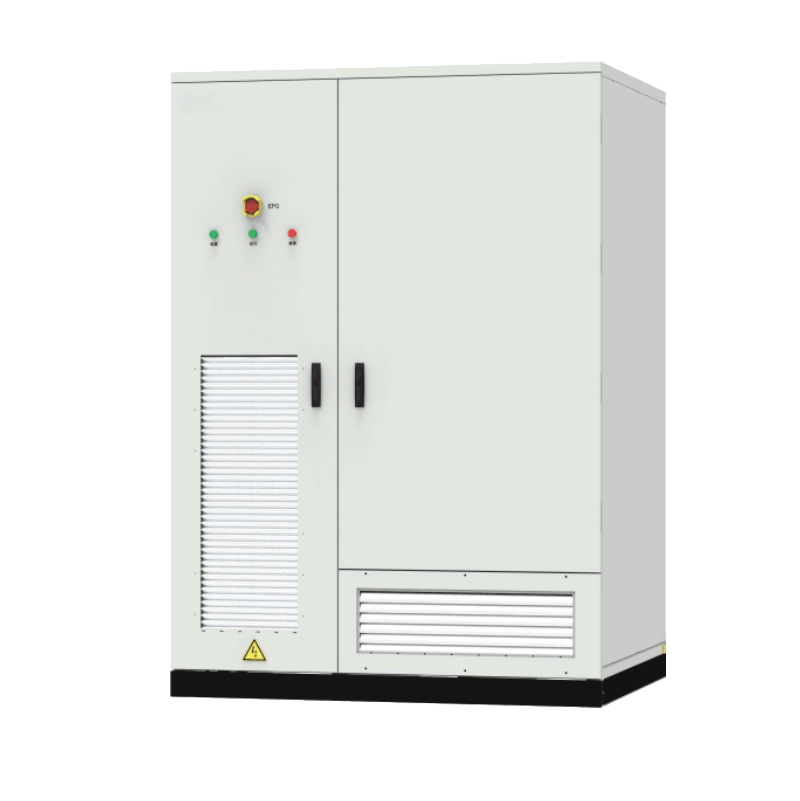
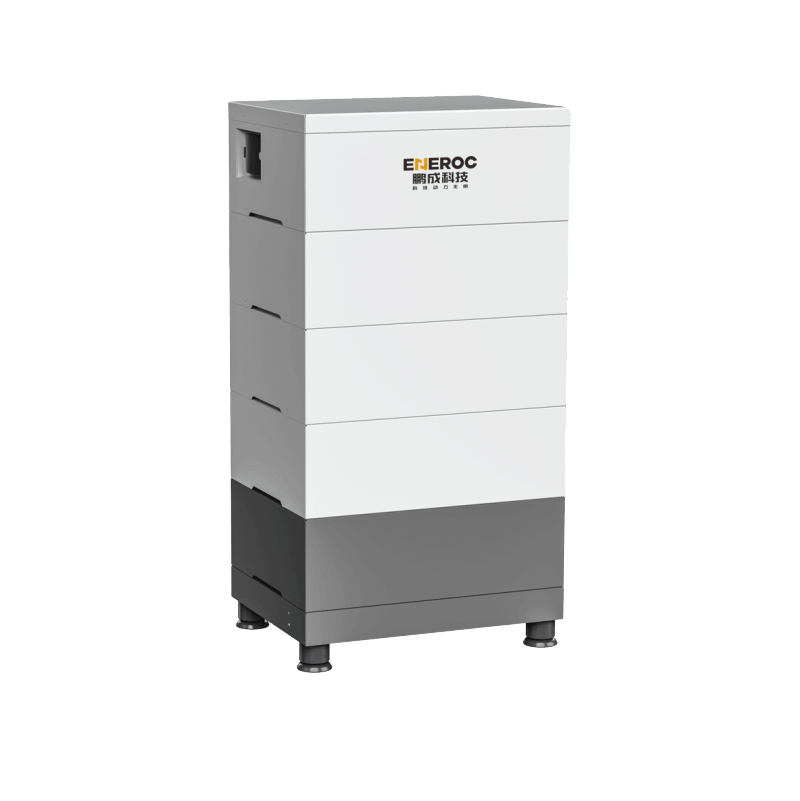
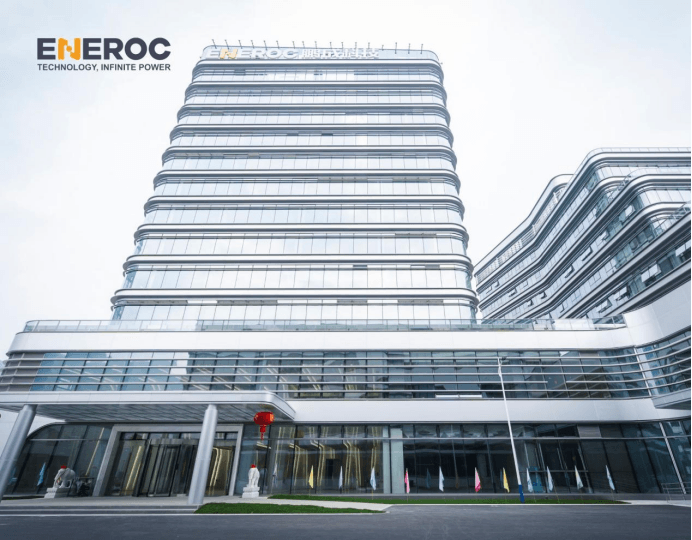
ENEROC specializes in lithium battery solutions for forklifts, aerial work platforms, construction machinery, and other non-road vehicles, with business encompassing battery system R&D, manufacturing, global delivery, and after-sales service.
In terms of capacity layout, ENEROC's new factory has officially commenced operations, with a designed capacity of 18GWh, providing more stable and high-efficiency battery system supply support to global customers. Meanwhile, the company has established warehouses in North America and Europe and plans to further expand its storage nodes. Currently, ENEROC employs numerous local staff in North America and Europe and has established branches in Singapore, Japan, Korea, Italy, and Germany, continuously enhancing its global service network.
High-Voltage Platform Acceleration Driving the Advancement of Non-Road Vehicle Electrification
As non-road vehicles evolve towards higher tonnage, higher efficiency, and greater power, battery system voltage platforms are gradually transitioning from traditional low voltage to high voltage.
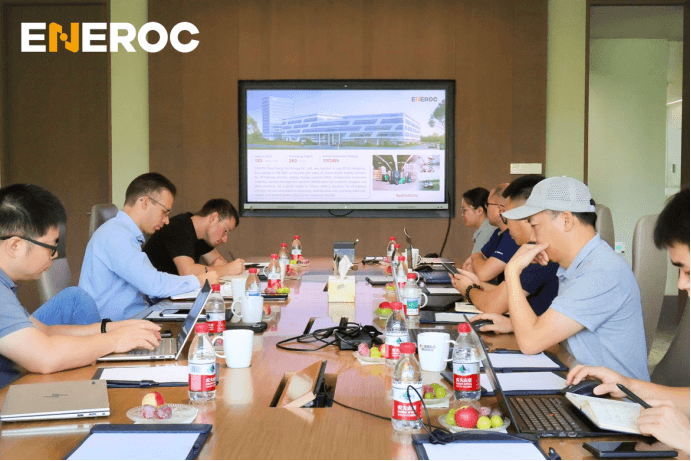
In this special meeting, both parties conducted focused exchanges on the selection of voltage platforms for vehicles of varying tonnage. ENEROC Technical Director Liu Yongqing stated: “The 48V and 80V battery systems are primarily suitable for small-tonnage equipment. However, for vehicle models over 3 tons, the 48V platform often needs to bear a working current exceeding 400A, which leads to increased costs for wiring harnesses, connectors, and power devices, making the overall system cost possibly even higher than that of the 80V solution.”
For medium- and large-tonnage forklifts and construction machinery, 300V, 600V, and even higher voltage platforms offer distinct application advantages. Currently, vehicles under 3.5 tons mostly use a 300V platform, while those over 8 tons more commonly adopt a 600V platform; the voltage limit of some high-voltage systems can reach up to 750V.
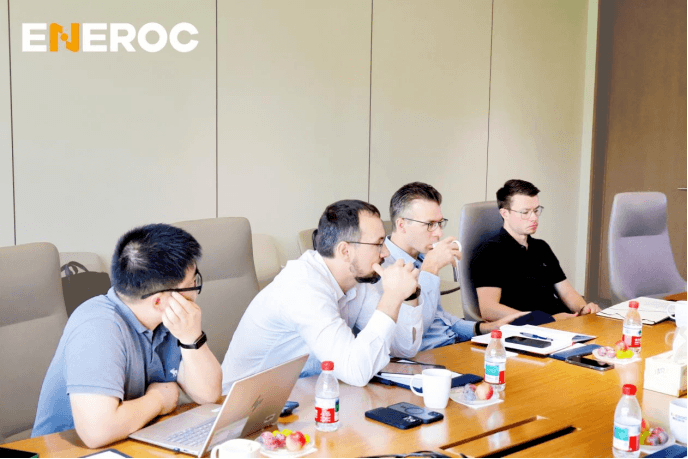
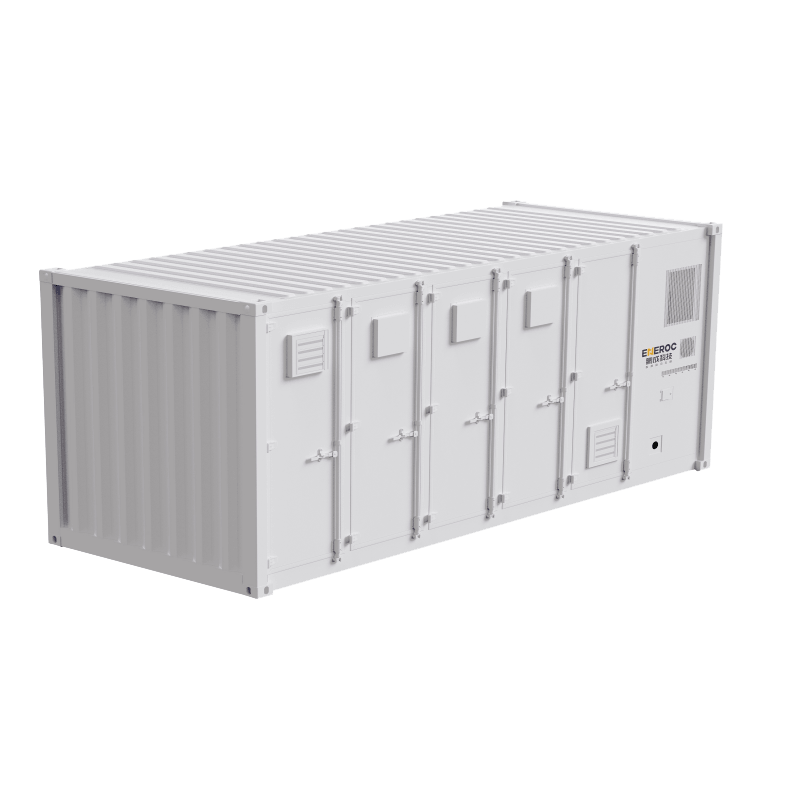
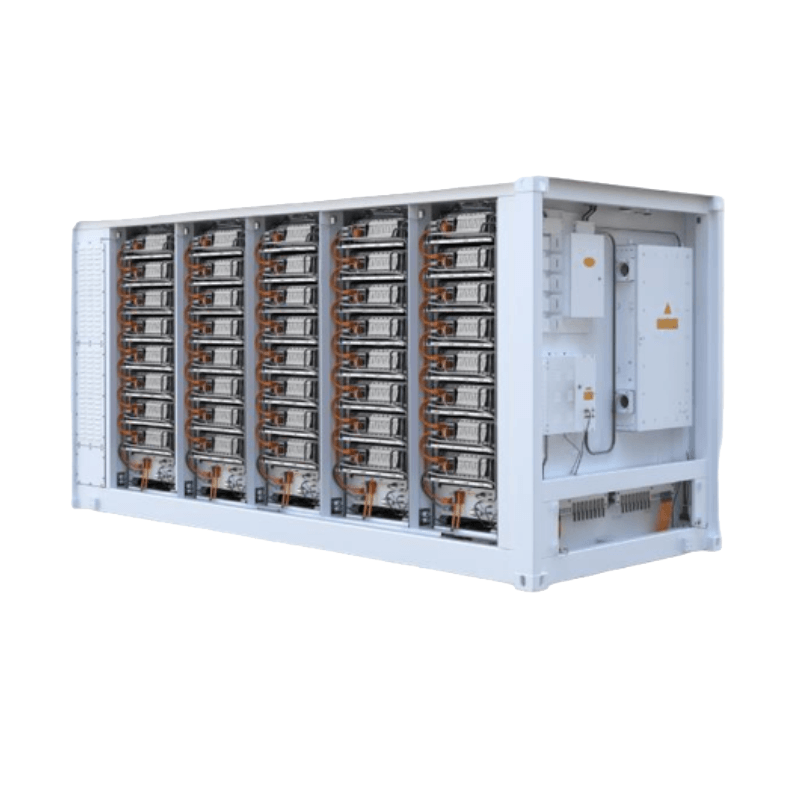
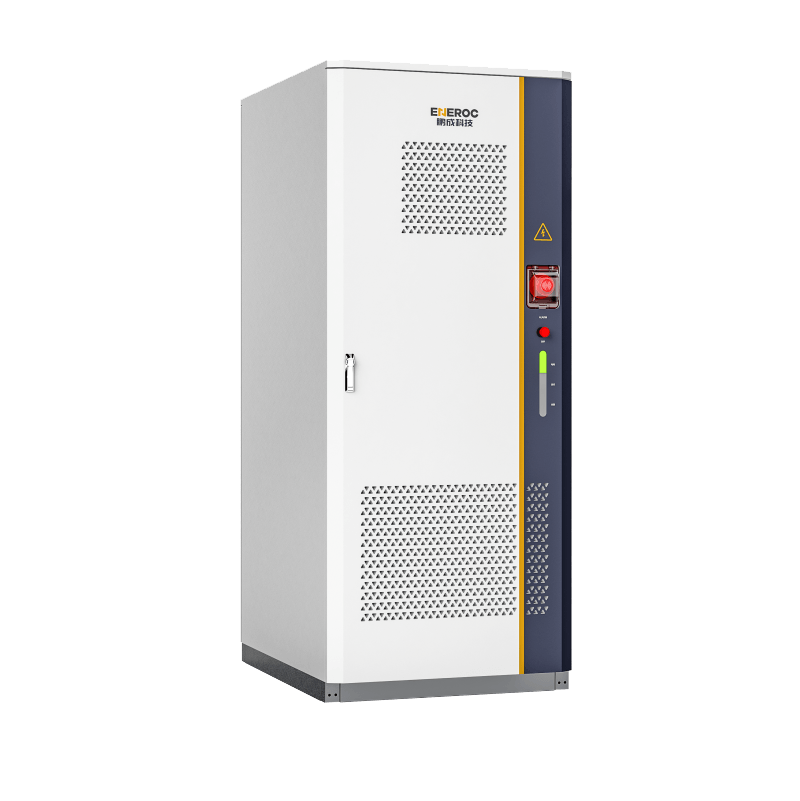
In line with this technological trend, both parties conducted in-depth exchanges on the application prospects of high-voltage battery systems in counterbalance forklifts, heavy-duty industrial vehicles, and construction machinery. To meet future market demand, ENEROC is advancing the development of a 1000V high-voltage BMS, which will deliver more efficient energy management capabilities for large construction machinery, heavy-duty industrial vehicles, and energy storage applications.
Regarding cell supply, Fang Zhaoyang, ENEROC China Regional Manager, stated: 'Facing the iteration of industry cells and dynamic supply chain changes, ENEROC will continue to prioritize the Lithium Iron Phosphate Battery technology route, prepare backup schemes for cell specification updates, and ensure supply chain stability.'
The Jungheinrich team expressed great concern and requested that ENEROC promptly share updates whenever key progress is made on the backup schemes; Jungheinrich, also operating within a fiercely competitive market, faces practical challenges in cost control and supply chain assurance.
During the talks, both parties mentioned that in terms of product strategy, the company will further differentiate the European and American markets, Domestic China, and other Asia-Pacific regions by formulating differentiated Battery System solutions that combine local regulations, customer demands, supply chain conditions, and cost requirements.
European customers typically place greater emphasis on long-term product stability, compliance, and service capabilities; The U.S. market, on the other hand, focuses more on supply chain responsiveness, adaptation of the distribution system, and local spare parts assurance. Through regionalized product and supply chain strategies, ENEROC aims to continuously enhance delivery quality and service efficiency across different markets while controlling costs.
Continuously strengthening Self-Developed BMS to establish core technology barriers
Since 2019, ENEROC has continuously invested in independent R&D of BMS hardware and software, establishing comprehensive capabilities covering battery monitoring, fault diagnosis, remote operation and maintenance, and data management.
ENEROC’s independently developed BMS supports remote OTA upgrades, enabling continuous optimization of battery control strategies and system functions according to customer requirements. Meanwhile, the system features fault diagnosis and early warning capabilities, providing real-time monitoring of voltage, temperature, insulation status, and operational data to help customers reduce equipment downtime risks.
From the perspective of global market compliance, ENEROC’s BMS solution meets relevant EU regulations and is equipped with a 4G communication module, fulfilling the European market’s requirements for battery operational data uploading, remote management, and full lifecycle traceability.
For non-road vehicles, the BMS is not only a battery safety management system but also an important digital gateway connecting the battery, the vehicle, the user, and the service network. By independently mastering both software and hardware capabilities, ENEROC can more quickly respond to customized requirements across different vehicle models, operating conditions, and regional markets.
Through technical exchanges during the meeting, the Jungheinrich team gained a deeper understanding of ENEROC's collaborative capabilities between independent R&D and large-scale manufacturing.
Deepening understanding of the Europe and American markets to improve localized service capabilities
In the U.S. Market, the truck dealer and battery dealer networks are relatively mature, with close channel relationships. For new energy battery integration solutions, product introduction must not only meet vehicle performance and safety requirements but also fully consider the existing dealer network, service network, and customer usage habits. Therefore, ENEROC will implement a step-by-step market strategy to gradually expand cooperation with local customers and channel partners through product adaptation, technical support, local warehousing, and after-sales assurance.
In terms of certification and compliance, battery replacement generally does not necessitate complete vehicle re-certification, as long as the replacement solution does not impact the original vehicle’s certification status. ENEROC will ensure reliable collaboration between the battery system and the complete vehicle through standardized design, system matching, and compliance verification, thereby reducing customers’ compliance risks during product introduction and application.
Regarding after-sales service, ENEROC can coordinate with CATL’s globally distributed service network resources as external support for business in the Europe and American markets. The U.S. Market relies on its overseas warehouses in the United States and local personnel to ensure the timely supply of frequently used spare parts and plans to further add storage nodes to shorten delivery cycles and maintenance response times; The European Market relies on local teams and supporting warehouse resources in Germany and Italy to provide customers with timely technical support, project collaboration, and after-sales service.
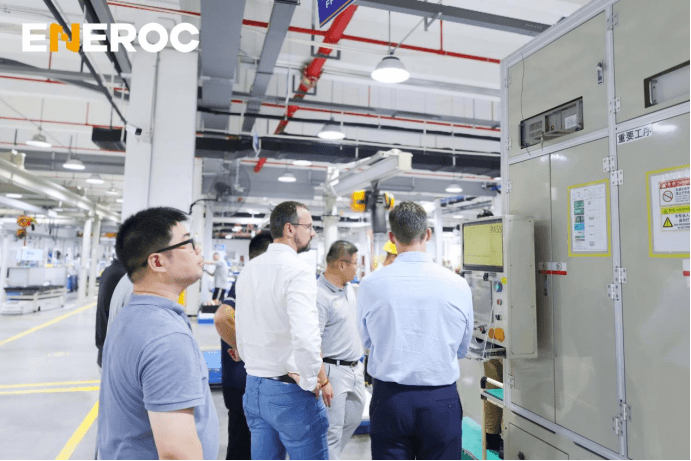
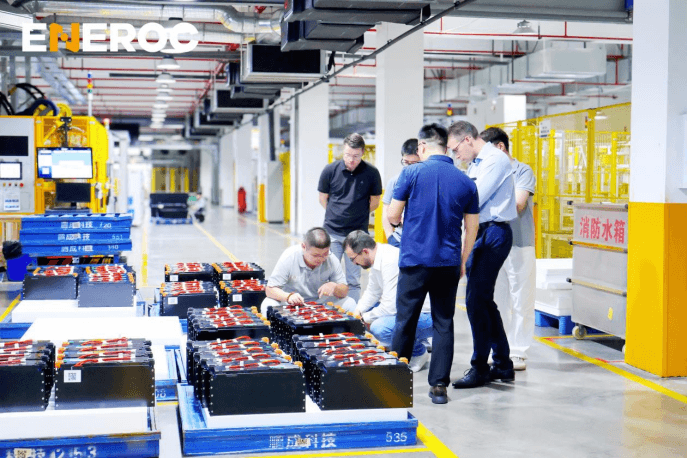
During this exchange and factory visit, both parties also conducted in-depth discussions on future cooperation models from the perspectives of global supply chain, localized service, and regional market collaboration. Taking into account the differences in regulations, cost, product demand, and service systems across Europe and America, Domestic China, and other Asia-Pacific regions, ENEROC will continue to deepen the application of Lithium Iron Phosphate Batteries in the non-road vehicle sector and develop more targeted product and supply chain strategies.
With respect to the mass production pace and cost competitiveness of sodium-ion batteries in heavy truck parking air conditioning applications, both parties will conduct further evaluation based on actual test data and market demand; The progress in establishing overseas warehousing networks, along with their impact on local customer service capabilities and delivery efficiency, will also remain a key focus for ongoing efforts.
Outlook for the Future
This visit by Germany’s Jungheinrich to ENEROC represents an important step for both parties to carry out in-depth exchanges on new energy battery technology and global market development. Looking ahead, both parties will continuously explore cooperation opportunities in non-road vehicle electrification and emerging application scenarios, based on the high-voltage platform, BMS self-development, regional supply chain, and localized service.
ENEROC will also continue to focus on lithium iron phosphate technology, leveraging its global capacity layout and local service network to provide more overseas customers with stable, intelligent, and compliant new energy battery solutions, promoting the non-road vehicle industry toward higher efficiency and reduced carbon emissions.

